9 Korean Recipes for Cycle Syncing: Menstrual
I’m in my 30s and only recently started tracking the phases of my cycle. I can’t believe it took me this long to learn what the luteal phase is—and why I feel more irritable or “in the weeds” during that time of the month. Better late than never, right?
For years, I resented the daily, weekly, and monthly fluctuations in my mood and energy (yes—even creative energy). But now that I’m paying attention, syncing with my cycle feels less like a handicap and more like a superpower.
And of course, food is hormones’ best ally—helping us ride the highs of creativity and energy, as well as the lows that call for rest, detox, and replenishment.
So I present to you: Korean Meals for Cycle Syncing 101.
Here are some foundational tips I’ve learned for the menstrual phase (your period):
- Avoid cold food or drinks. Korean women have trusted this for centuries. Warm, easy-to-digest meals keep blood flowing, ease cramps, and support circulation (I pair this with a heat pack for extra comfort).
- Prioritize complex carbs like brown rice, oats, sweet potatoes, and carrots. They stabilize energy and keep you nourished—fasting is not recommended in this phase.
- Add healthy fats rich in omega-3s—think sesame seeds, avocado, olive oil, salmon, and mackerel—to fight inflammation and balance hormones.
- Load up on leafy greens like spinach and kale. They’re packed with iron, magnesium, calcium, and vitamin K—nutrients your body craves during menstruation.
- Eat seaweed. A Korean staple, seaweed is mineral-rich (iodine, calcium, iron) and helps support hormonal balance.
- Don’t skip protein. Red meat, beans, and seeds replenish iron levels lost through period blood.
This is a great starting point if you want to eat more intuitively with your cycle while also drawing on the wisdom of traditional Korean food culture. Without further ado, here are all of my recommended recipes for Cycle Syncing 101: Menstrual Phase!

1. Super savory seaweed soup
A classic for a reason. Rich in iodine and iron, this has been a staple in Korean cuisine for centuries. Recipe is already up on fruitandsup.co!

2. Korean braised black beans
Braised beans are a classic Korean side dish made by braising black soybeans in a sweet and savory sauce. This dish is a great way to incorporate more plant-based protein into your diet. It's simple to prepare and packed with flavor! Make at the beginning of the week and enjoy with rice and soup — a classic Korean meal!
To make Korean braised soybeans, start by rinsing 1 cup dried black soybeans and soaking them in 2 cups water until softened, for 3-4 hours or overnight. Transfer the beans along with the soaking water to a small pot. Bring to a boil over medium heat uncovered for 20 minutes, stirring occasionally. Add 4 TBSP soy sauce, 2 TBSP mirin, and 2 TBSP honey. Reduce heat to medium-low and continue to simmer, uncovered, until most of the liquid has evaporated and the sauce is thickened, about 30 minutes. Sprinkle with 1 tsp sesame seeds for extra minerals and crunch. Serve warm or at room temperature as a savory, protein-packed side dish!

3. Gut-friendly gochujang salad
This gochujang veggie salad is basically a “muchim” — lightly dressed vegetables that are raw, steamed, or minimally prepped aka bright, crunchy, and perfect for the menstrual phase. Because gochujang is fermented, it supports digestion and can help reduce bloating!
I chose a fresh mix of dino kale (after massaging to tenderize/remove bitterness), carrots (sliced julienne), and asparagus (steamed or blanched) ****which are rich in iron, magnesium, and anti-inflammatory compounds to help ease cramps and support energy. Other nutrient-packed but easy-to-digest veggies are spinach, broccoli, sweet potatoes, zucchini, or other leafy greens like dandelion or chard — pick and choose whatever floats your boat!
To make the salad dressing salad, whisk heaping TBSP gochujang, 1 TBSP rice vinegar (or apple cider vinegar), 1 tsp sesame oil, and 1 tsp soy sauce. My gochujang was naturally sweet but if you need, you can add 1 tsp honey or sugar. Whisk in 3-4 TBSP olive oil and adjust to taste. Add veggies, toss to coat, and sprinkle with a generous amount of sesame seeds to finish. Enjoy this colorful, nutrient-packed salad any time during your cycle!

4. Soy-marinated eggs
Korean marinated eggs (mayak gyeran) are a quick, flavorful banchan that are high in protein and addictingly good to eat with rice! They’re incredibly easy to make and a delicious way to eat more protein during the menstrual phase. Recipe is already up on fruitandsup.co!

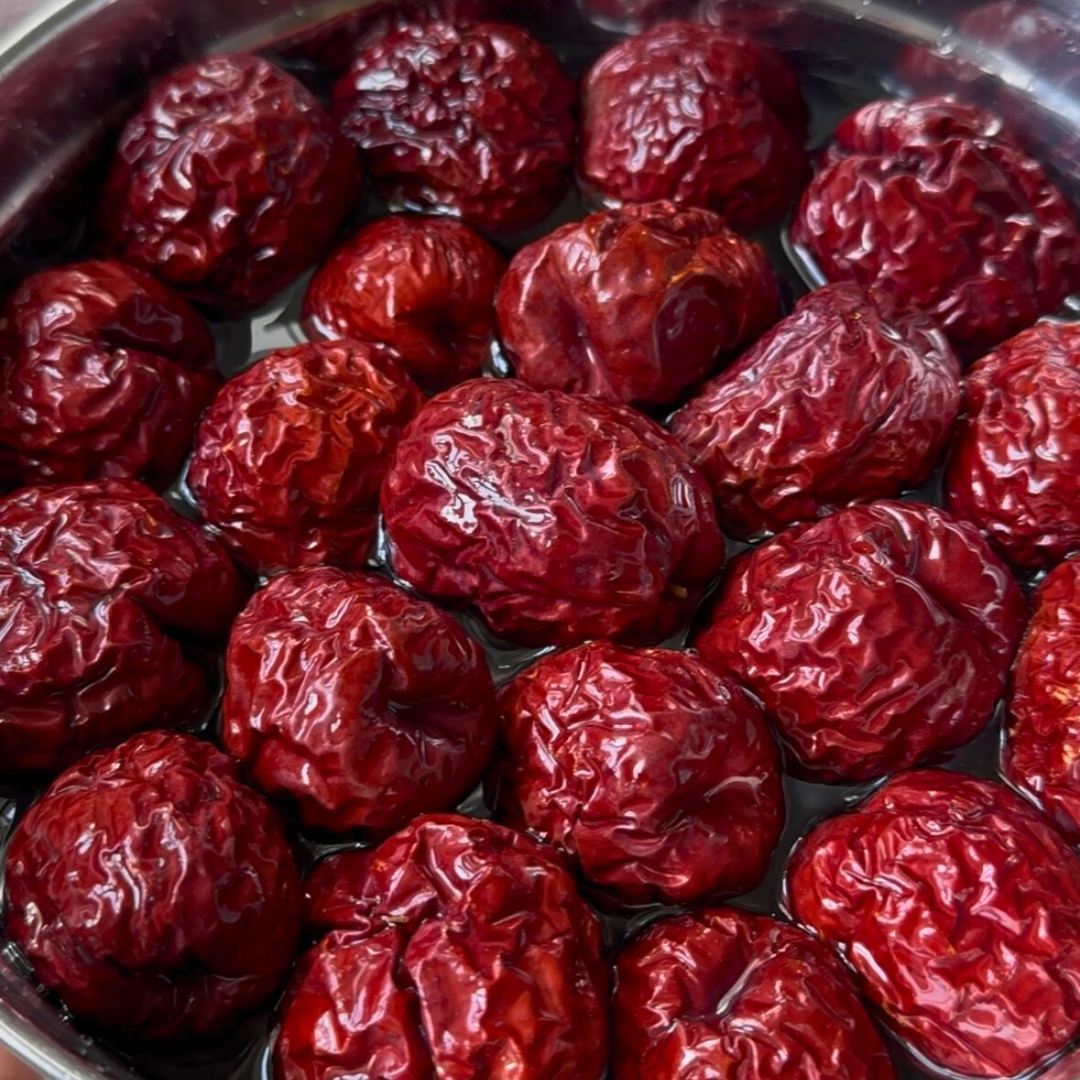
5. Jujube tea
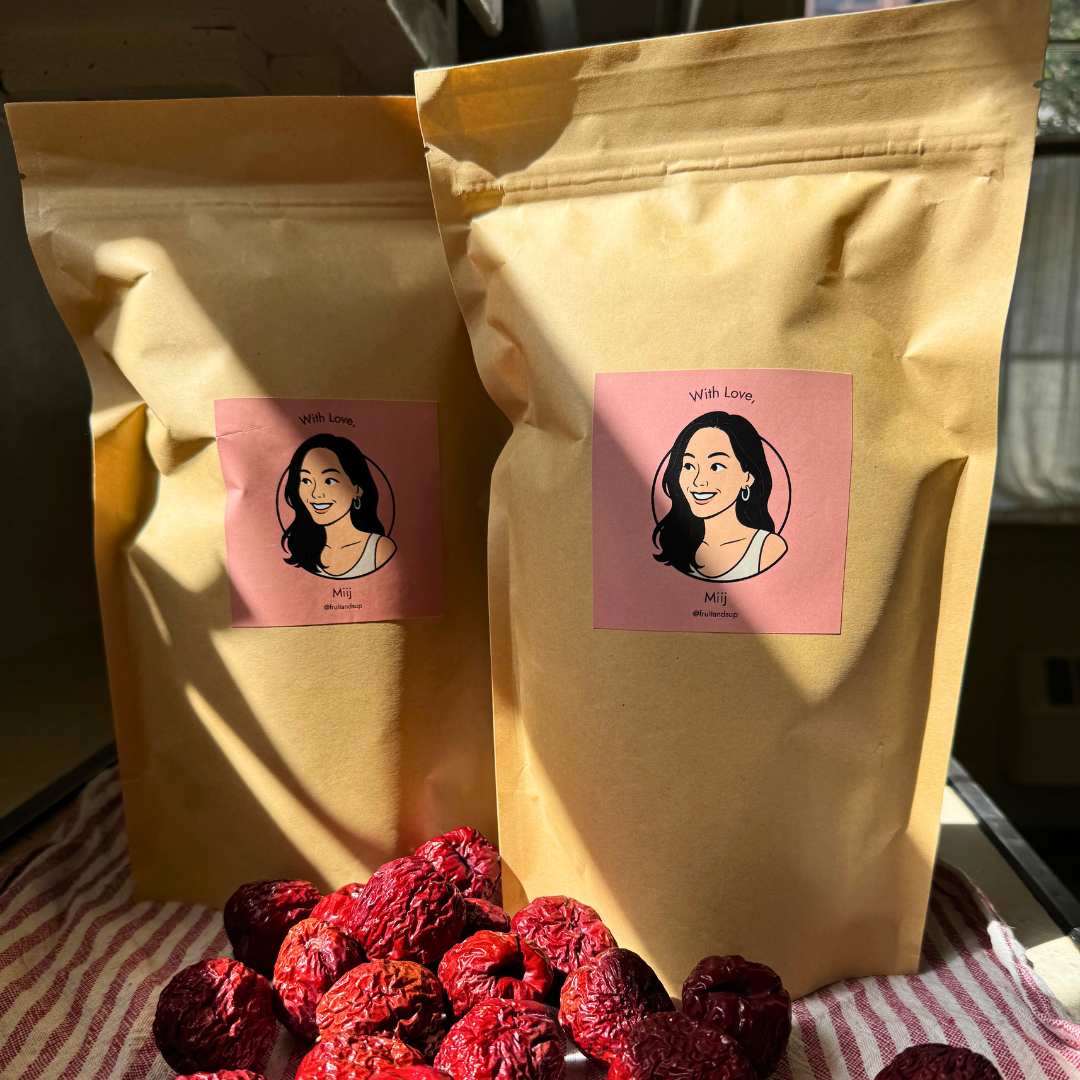
A classic for a reason. If you don’t have bellflower root (which is good for cough/sore throat), you can just skip it! Simmer on low for at least 5 hours with a couple knobs of ginger and enjoy with a spoonful of honey. Recipe is already up on fruitandsup.co!

6. Kabocha squash porridge
Nutty, sweet, savory with chewy “mochi” rice cakes! Only four ingredients, topped with healthy flaxseed and pine nuts, this porridge is the perfect breakfast for your menstrual phase. Comforting, easy to digest, and packed with vitamin A and C. Recipe is already up on fruitandsup.co!

7. Korean sesame dressing
This simple sesame salad dressing is the perfect way to eat more greens which is critical during menstrual phase. Just toss all the ingredients into a jar (I like reusing empty jam or mustard jars), give it a good shake, and you’ll have a nutty, savory-sweet dressing to sauce up your favorite vegetables, while also giving a boost of healthy fats and minerals from sesame seeds! Make on Sunday and enjoy throughout the week.
To make Korean sesame dressing (about 6-8 servings), combine 1/2 cup olive oil, 1/2 cup rice vinegar (or apple cider vinegar), 1/2 cup sesame oil, 3-4 TBSP honey (or sugar), 2 TBSP soy sauce, and a big pinch of salt in a jar. Close the lid, shake well until emulsified and taste to adjust, adding a little more soy sauce or sesame or honey to your liking. When you’re pleased with it, drizzle over greens, cold noodles, blanched vegetables, or even roasted root veggies for a quick, delicious boost. Store in the fridge and enjoy all week long!

8. Goguma oat rice
If you crave sweets like dark chocolate or baked goods like I do during my menstrual phase, it can be helpful to know that the fluctuating hormones may be to blame. The good news is that these cravings can be staved off by consuming healthy complex carbs — and this blend of brown rice with oats and Korean sweet potato (aka goguma “고구마”) is one of my favorite nourishing bases for cycle syncing during menstrual phase. The brown rice and rolled oats deliver steady energy and fiber, while sweet potatoes add natural sweetness and complex carbs that help fight fatigue and satisfy that hormone-driven sweet tooth! Warm, hearty, and easy to digest, this goguma rice is comfort food that also nourishes in all the best ways.
To make this goguma oat rice, rinse ****your brown rice until the water runs clear. Add to the rice cooker with ½ cup rolled oats and 1 medium sweet potato (peeled and cubed). Pour in fresh water until the potatoes are barely covered, close the lid, and cook as usual. Fluff with a rice paddle and enjoy as a base with soup, and other Korean side dishes!
Variations: Swap the sweet potato for regular sweet potato or kabocha squash for a similar naturally sweet, nutrient-rich base. You can also add millet, barley, or quinoa to the mix for extra texture and minerals!

9. Miij’s easy kimchi stew
Kimchi jjigae (김치찌개) is a classic Korean stew that’s spicy, tangy, and packed with flavor. Made with well-fermented kimchi, tofu, and optional pork or seafood, this hearty stew is rich in probiotics and nutrients, making it both comforting and nourishing—perfect during the menstrual phase when warm, easy-to-digest meals support circulation and ease cramps. It’s quick to prepare, requires just a few staple ingredients, and pairs perfectly with my goguma oat rice for a complete meal! Recipe is already up on fruitandsup.co!

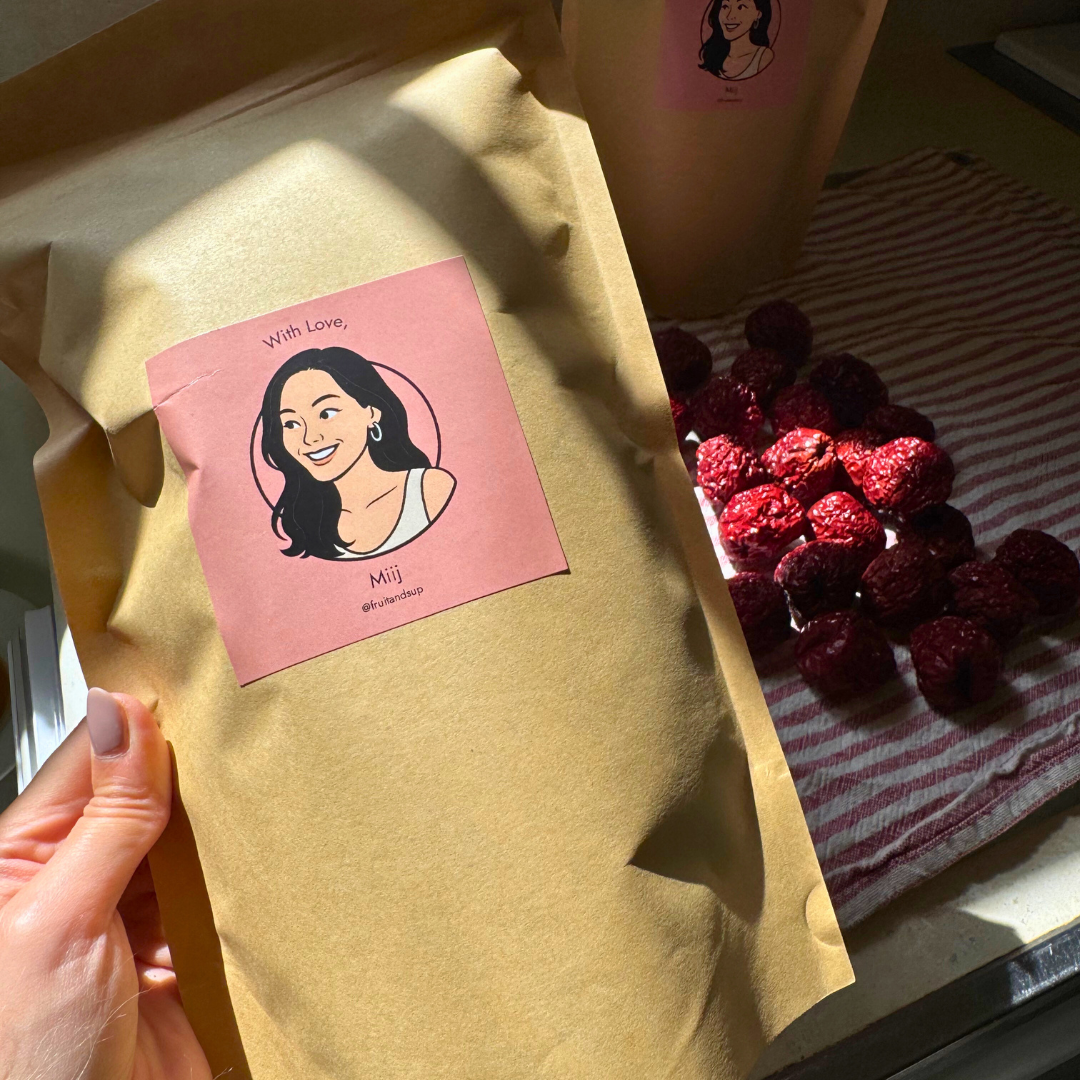
Written by Miij @fruitandsup


Leave a comment
This site is protected by hCaptcha and the hCaptcha Privacy Policy and Terms of Service apply.